Fayette County Locksmith Service Team
Local locksmith team
Nov 8, 2026 8 min read
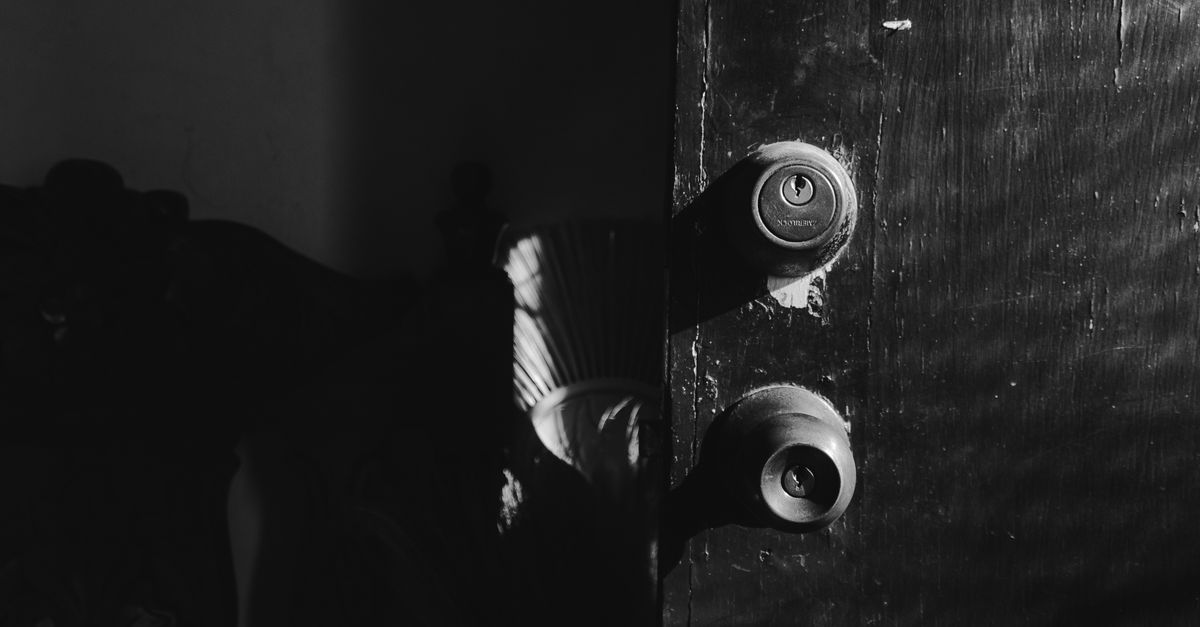
You finally got back inside after a lockout — maybe you called a locksmith, maybe a family member had a spare key — and now your door won't close right. The latch doesn't catch, the door swings open on its own, or you have to lift and wiggle the handle just to get it to stay shut. If this is happening to you in Jeffersonville or the surrounding Fayette County area, you're not imagining things. Something shifted during the lockout event, and there's a real mechanical reason your door is behaving this way.
The good news is that not every latch problem requires a full lock replacement. Some issues are a five-minute fix with a screwdriver. Others point to deeper damage that needs a professional eye before the problem gets worse — or before you end up locked out again. This guide walks you through the most likely causes, what you can safely check yourself, and when it's time to call Fayette County Locksmith at (740) 754-0038.
## Why a Lockout Can Leave Your Door Latch Out of Alignment
When a door is forced, pried, or even just opened under stress — say, a deadbolt was engaged when someone pushed hard on the door — the door frame can flex slightly. That flex is often invisible, but it's enough to shift the strike plate by a fraction of an inch. The latch bolt no longer lines up with the hole it's supposed to slide into, so it either catches incompletely or misses entirely. This is especially common on older homes along routes like US-35 and SR-41 around Jeffersonville, where door frames have settled and the wood has had decades to move with the seasons.
It doesn't take a dramatic kick-in for this to happen. Even a locksmith or emergency responder working quickly under pressure can inadvertently torque a door. If your door was previously latching perfectly and now it isn't, alignment is almost always the first place to look — and it costs you nothing to check.
## The Rim Night Latch: Why This Specific Lock Type Is More Vulnerable
A rim night latch — sometimes called a rim lock night latch — mounts on the surface of the door rather than inside it, which makes it easier to install but also more exposed to stress. When a door is forced or a lockout scenario puts sideways pressure on the door, the rim night latch housing can shift on its mounting screws, causing the cylinder or the latch mechanism inside to sit at a slightly wrong angle. The result: the latch slides out but doesn't retract cleanly, or it engages partially against the frame instead of into the strike plate. If your home uses a rim night latch alongside a deadbolt — a common pairing that gives you a night latch deadbolt rim lock setup for two layers of security — it's worth checking both independently, because one may have shifted while the other looks fine. Tighten the mounting screws on the rim cylinder night latch housing first; that alone fixes a surprising number of post-lockout latch problems.
If tightening the screws doesn't restore smooth operation, the internal cam or latch spring inside the rim lock night latch may have been damaged. At that point, the mechanism itself needs to be inspected and either repaired or replaced. Our team carries common rim night latch door lock components and can usually handle this on the same visit.
## Mortise Locks, Strike Plates, and the Fixes You Can Try First
A mortise lock — the type recessed into the door edge rather than bolted onto the surface — is built to handle more stress, but its latch bolt is just as subject to alignment problems as any other. After a lockout, check the strike plate on the frame: look for fresh scratch marks or shiny metal wear that shows where the latch is actually hitting versus where it should go. If the scratch is just slightly high or low, you may be able to reposition the strike plate by loosening its screws and tapping it in the right direction before retightening. If the misalignment is more than about 1/8 inch, you're likely dealing with a frame that has shifted or swelled, and shimming or planing the door edge may be needed.
For door knob lock mechanisms that use a simple spring latch (the angled bolt that retracts when you turn the knob), check whether the latch face plate on the door edge is flush. If the door was pulled hard during a lockout, the latch assembly can shift inside the door and cause that face plate to bind against the frame. A flathead screwdriver and two minutes of inspection can confirm whether the latch is obstructed. If it's binding internally — if you can hear grinding or the latch feels stiff before it even reaches the strike — that's a sign the internal mechanism has taken damage and the hardware needs to come out for a proper look.
## When It's Beyond a DIY Fix: Signs You Need an Emergency Locksmith
Some post-lockout latch problems are genuinely straightforward. But there are specific signs that tell you a professional needs to assess the situation before you end up with a security gap or a door that won't close at all. Call an emergency locksmith if: the door frame itself is visibly cracked or splintered around the strike plate area; the door is bowing or the gap between door and frame is uneven; the deadbolt throw is hitting the frame before fully extending; the latch retracts when you turn the handle but springs back out before the door closes; or the problem appeared after a forced entry attempt you didn't authorize. These aren't cosmetic issues — they mean the door is not secure, and a temporary fix could leave you exposed.
Fayette County Locksmith is a 24/7 mobile operation, which means we can be on-site in Jeffersonville and across Fayette County at any hour. We carry the tools and hardware to diagnose latch and frame issues on the spot. Before any work begins, we confirm an exact up-front price — the final quote depends on factors like the type of lock involved, the extent of the frame damage, any parts needed, and the time of day — so you're never surprised. Call (740) 754-0038 and we'll walk you through what we're seeing before we touch anything.
## Commercial Locksmith Considerations: When It's a Business Door
If the door that won't latch is on a commercial property — a retail space, office, or warehouse in the Jeffersonville area — the stakes are higher, and the hardware is usually more complex. Commercial locksmith work on latch problems often involves heavy-duty mortise lock bodies, panic hardware, or electronic access control components, all of which behave differently under stress than residential hardware. A commercial door that won't latch after a lockout or forced-entry attempt may also have triggered a misalignment in the door closer mechanism, which puts the door under constant pressure in the wrong direction and masks the real problem. We handle commercial latch and lock issues with the same same-visit approach: assess the door, the frame, the hardware, and the closer as a system rather than treating the latch in isolation. If you manage property in Fayette County — from the downtown Jeffersonville square to outlying rural business locations — our team is equipped to handle commercial-grade hardware on any schedule, including after-hours emergencies.
Frequently asked questions
My door latch won't catch after I was locked out last night — can I just leave it until morning?+
It depends on how the door is behaving. If the door stays closed under its own weight and the deadbolt still throws and catches properly, you have a short-term workaround while you wait. But if the door swings open on its own, the deadbolt is also misaligned, or the frame is visibly damaged, leaving it overnight is a real security risk. Fayette County Locksmith answers calls 24/7 at (740) 754-0038 — there's no need to wait until business hours if the door isn't secure.
Does a door latch problem after a lockout always mean the lock needs to be replaced?+
Not at all. In many cases the lock hardware itself is fine and the issue is purely one of alignment — the strike plate, the door frame, or the mounting screws on a rim night latch have shifted just enough to cause a miss. A trained locksmith can usually diagnose within a few minutes whether it's an alignment fix, a hardware repair, or a full replacement. We don't recommend replacement when a repair will do the job correctly.
What factors affect the price of fixing a latch problem?+
The final price depends on a few things: the type of lock involved (a surface-mounted rim lock night latch is different from a heavy mortise lock or a commercial panic bar), whether any parts need to be sourced or replaced, the extent of any frame damage, travel distance to your location, and the time of day. We always confirm an exact price before starting any work, so you know exactly what you're agreeing to upfront.
Can a rim night latch deadbolt rim lock combination be re-secured without replacing both locks?+
Yes, in most cases. The two mechanisms are independent, so if only the rim night latch is misaligned or damaged, we address that one without disturbing the deadbolt — and vice versa. If both were stressed in the same event (say, a door that was pushed hard while the deadbolt was engaged), we'll check both on the same visit and give you an honest assessment of which needs attention and which is still solid.


