How Transponder Key Programming Actually Works
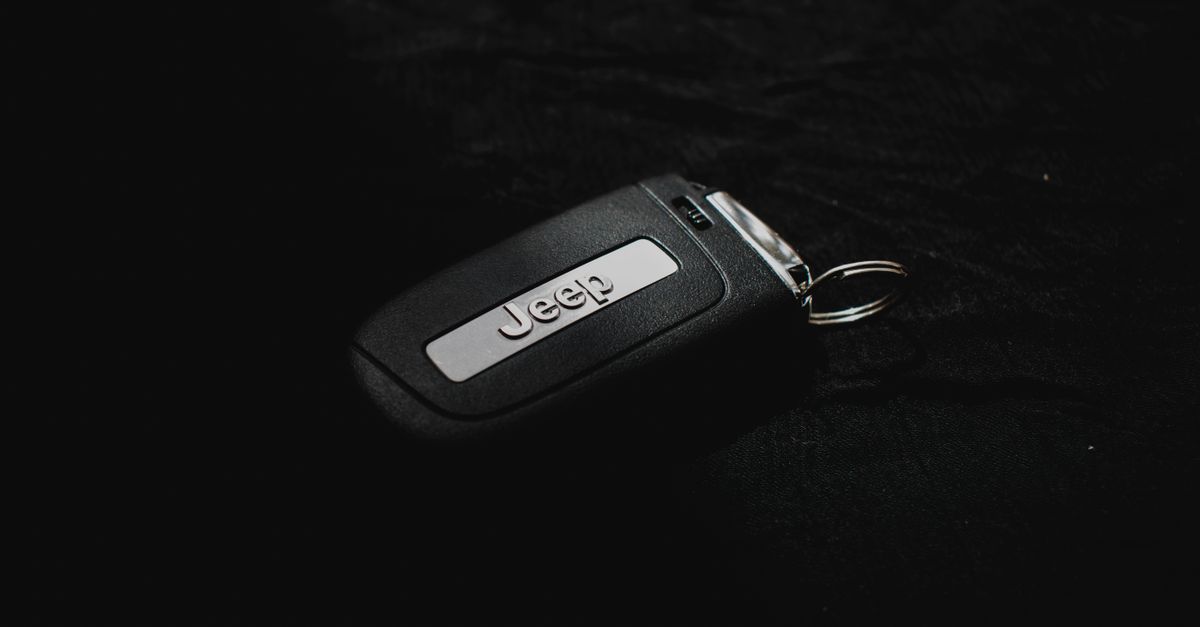
A transponder key contains a small radio-frequency identification (RFID) chip sealed inside the plastic key head. When you insert the key and turn the ignition, the car's antenna ring — fitted around the ignition cylinder — sends a low-frequency signal to that chip. The chip responds with a unique rolling code. If the ECU recognizes the code as valid for that vehicle, it releases the immobilizer and allows the engine to start. If the code is absent or wrong, the immobilizer stays engaged, and the engine cranks but won't fire — or won't crank at all.
Programming a new or replacement transponder key means writing the correct code sequence to the chip so it matches what your specific vehicle's ECU expects. This is not a one-size-fits-all process: the procedure differs across manufacturers, model years, and even trim levels. Some vehicles allow a technician to add a new key while at least one working key is present (known as a 'learn' procedure), while others require direct communication with the ECU via specialized diagnostic equipment. Our technicians carry professional-grade programming tools that cover a wide range of domestic and import vehicles, allowing us to complete most jobs entirely in the field.