Why Keys Break Inside Locks — and What Happens Next
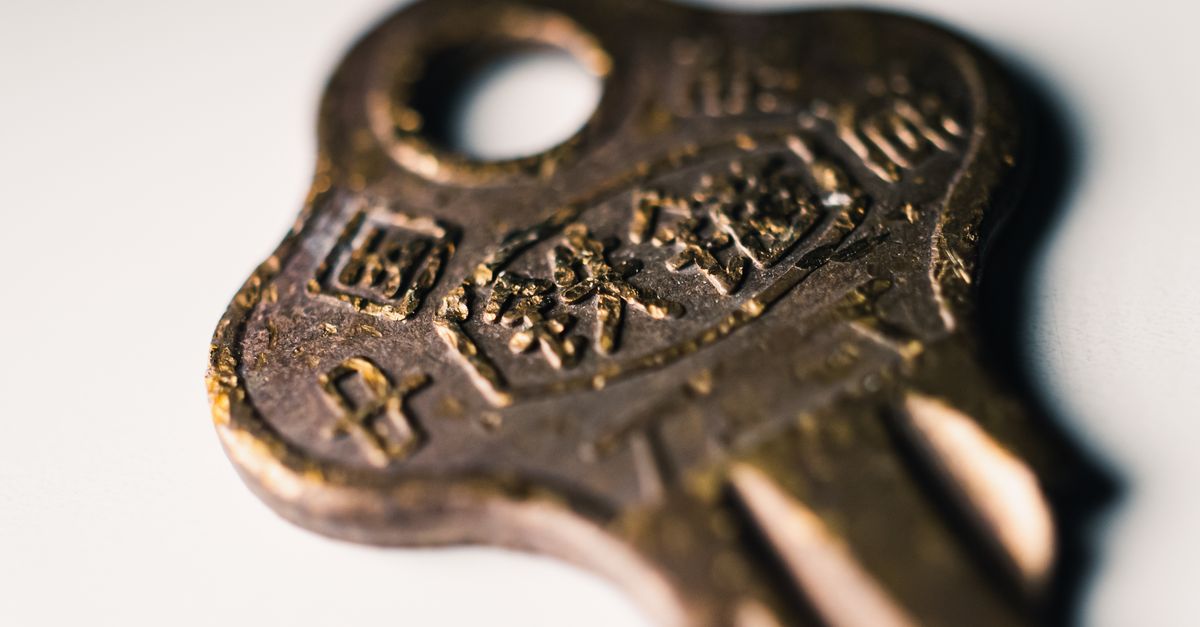
Car keys fail for a surprisingly small set of reasons, almost all of them preventable in hindsight. Worn or duplicated keys that are slightly off-spec put uneven stress on the key blank each time you turn the cylinder. Ignition switches that are beginning to seize — common in vehicles that sit outdoors through Fayette County winters — require extra torque, and that extra torque is exactly what snaps a thinning key at its weakest point, usually right at the shoulder. Door lock cylinders see the same problem when grit, road salt, or moisture cause internal binding. Once a fragment is lodged inside, the cylinder is effectively immobilized: you cannot insert a spare key, and in many cases you cannot turn the lock at all.
The critical mistake most drivers make is treating the broken fragment like a splinter — something you poke at until it moves. Lock cylinders contain a precise stack of spring-loaded pins arranged in a tight channel. Any improvised tool inserted alongside the broken key risks bending those pins, cracking the cylinder housing, or wedging the fragment even deeper. If the cylinder is damaged during an amateur extraction attempt, what was a straightforward professional job becomes a cylinder replacement, which costs more and takes longer. The safest decision after a key breaks is to stop, keep the vehicle where it is if possible, and call a professional — which is exactly why our line at (740) 754-0038 is staffed around the clock, every day of the year.